Skip to content
CESAR NigeriaVisit CESAR South Africa
CESAR
CESAR training

Comprehensive Research Methodology Course

Take a study from research question to synthesis, with quantitative and qualitative methods.

Conducting high-quality research requires more than familiarity with data collection techniques or a few statistical tests. It demands a coherent understanding of the entire research process, from the conceptualisation of a research question through to the design, execution, analysis and communication of findings.

Next cohort

Dates to be announced

In-person
5 days
Virtual
5 weeks
Fee
On request

Registration isn't open yet. Register your interest and we'll contact you first.

About the course

Why take this course

Conducting high-quality research requires more than familiarity with data collection techniques or a few statistical tests. It demands a coherent understanding of the entire research process, from the conceptualisation of a research question through to the design, execution, analysis and communication of findings. A lack of this end-to-end understanding often produces work that is methodologically weak, difficult to defend and limited in its contribution to knowledge and practice.

This course provides a comprehensive grounding in both quantitative and qualitative research methodologies, equipping participants with the skills to design rigorous studies, collect and analyse data appropriately, and interpret and communicate findings with confidence. Participants will also develop the critical appraisal skills needed to evaluate published research and apply evidence meaningfully in their own professional and academic contexts.

The course is structured to reflect the actual research process, moving from design and planning through implementation to synthesis and integration. It combines CESAR's quantitative and qualitative research methodology courses into a single, coherent programme. When the two are integrated, the result is a more complete and nuanced understanding of complex research questions. Participants who have specific methodological interests may also choose to attend either component separately.

What you'll learn

Core capabilities

This course is suitable for researchers, postgraduate students, and professionals involved in designing, conducting, or evaluating research. It equips participants with five core capabilities:
01 · Capability

Research conceptualisation

Participants will understand the landscape of quantitative and qualitative research paradigms. They will learn different study designs under both paradigms, evaluate their relative strengths and weaknesses, and formulate clear research questions, hypotheses, and SMART objectives. Participants will understand when and why qualitative methods are appropriate.

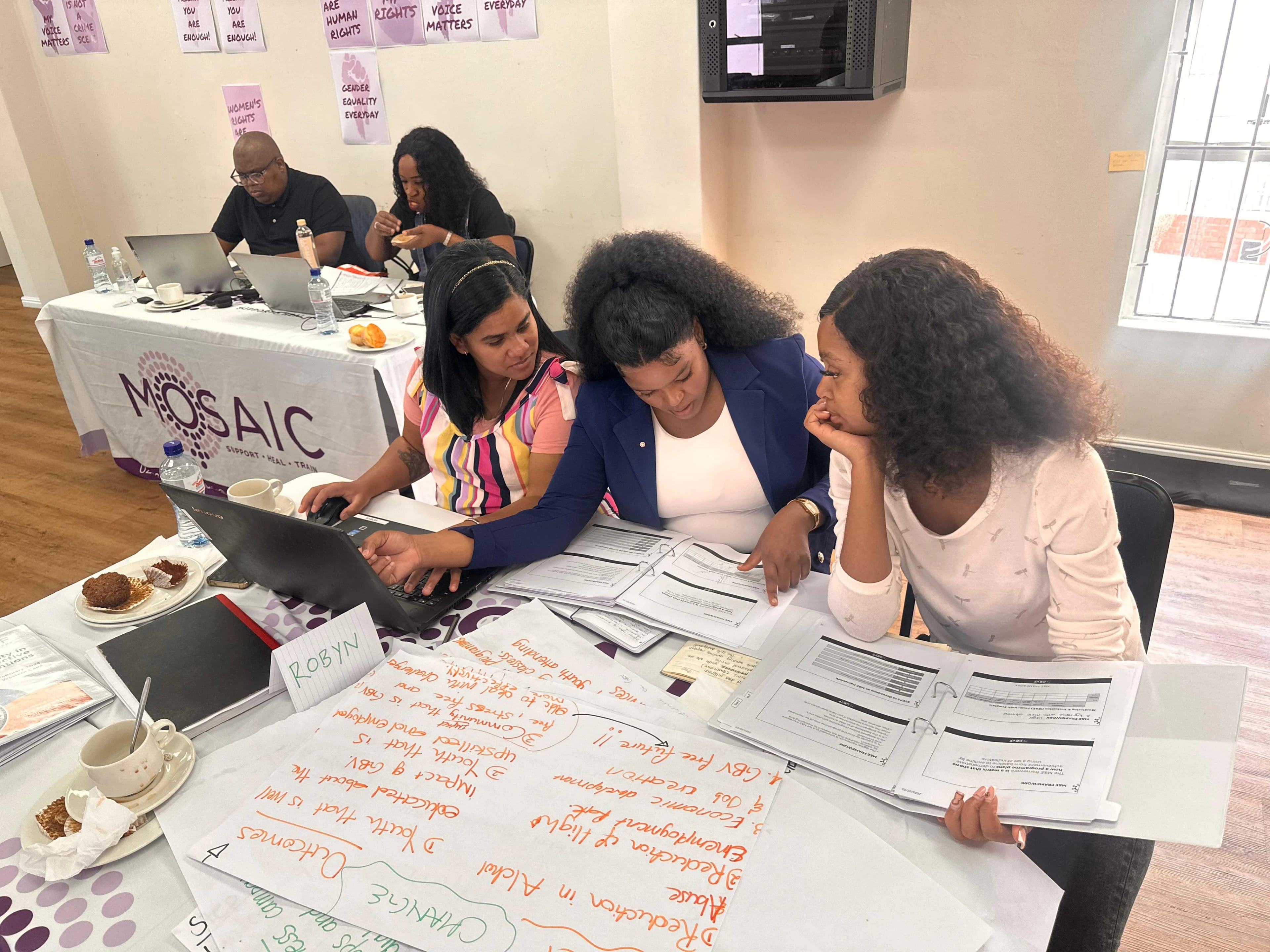
Participants in a CESAR training session
Who is this course for?

Who should attend

  • Researchers
  • Postgraduate students (Master's and Doctoral)
  • Programme evaluators and M&E professionals
  • Public health and medical researchers
  • Social scientists
  • Epidemiologists
  • Government and institutional researchers
  • Programme managers
  • NGO and development sector professionals
  • Policy analysts
Course outcomes

After completing this course, participants will be able to independently design and conduct both quantitative and qualitative studies. They will leave with a clear understanding of what makes research valid and defensible, and the practical skills to identify and address the threats that undermine research credibility. They will understand quantitative and qualitative data analysis and be equipped to integrate findings from both. They will be better positioned to critically evaluate the work of other researchers. They will also develop practical skills in using artificial intelligence tools to support key stages of the research process.

Course outline

Course outline: Virtual (5 Weeks)

Week 1

Research Foundations and Design

  • Understand quantitative and qualitative research paradigms and navigate the landscape of study designs, evaluating their relative strengths and limitations
  • Formulate research questions, hypotheses and SMART objectives, and develop the skills to write a well-structured research protocol
Week 2

Sampling, Data Collection and Ethics

  • Apply probabilistic and non-probabilistic sampling techniques and understand the principles of statistical power and sample size calculation
  • Examine quantitative data collection methods and engage with the ethical principles and practical requirements that govern responsible research practice
Week 3

Quantitative Analysis and Research Validity

  • Produce and interpret descriptive and inferential statistics and understand the concepts of validity and reliability
  • Apply appropriate approaches to enhance research validityLearn how to communicate quantitative findings clearly and accurately
Week 4

Qualitative Research Methods

  • Understand the qualitative research paradigm and identify when qualitative methods are the appropriate choice for a research question
  • Apply the major qualitative data collection methods — including in-depth interviews, focus group discussions, participant observation and most significant change — and develop foundational skills in qualitative data analysis
Week 5

Qualitative Data Analysis, Integration and Synthesis

  • Conduct qualitative data analysis and understand how qualitative findings are interpreted and reported
  • Integrate quantitative and qualitative findings through triangulation, apply multiple regression as a tool for advancing beyond bivariate analysis, and consolidate learning through a final team project and presentations
Testimonials

What participants say

“I have always wanted to become an excellent migration policy analyst, and I knew understanding data was the missing piece. This course helped me connect data analysis with policy and governance. I can now independently explore findings, identify patterns and contribute more meaningfully to evidence-based migration policy discussions.”
Osato Mary
Lawyer & Migration Policy Analyst
“Having worked in data management for about 10 years, I discovered that there were things I had been doing without fully understanding why. This course gave me a clearer understanding of inferential statistics. I also learned valuable teaching techniques, particularly the importance of engaging students and respecting their time.”
Akande Yusuf
Data Manager & Researcher
“Before this course, I knew what data was but didn’t understand data analysis or how relevant it was to my work. I now see how it can help me organise information, interpret findings, track the impact of my interventions, improve my programmes and make better decisions in mental health and adolescent counselling.”
Eunice Chinedu-Nwigwe
Mental Health Educator
“I particularly appreciate the teaching method and the respect shown to every participant. I know I still have more to learn, but I now have the confidence and foundation to keep practising.”
Amarachi Uzoechina
MPH Candidate
Register your interest

Tell us you're interested

Registration for this course isn't open yet. Tell us how you'd like to learn and we'll contact you with dates, delivery format and fees.

Register your interest

Comprehensive Research Methodology Course. Fields marked * are required.

Phone Number *
How would you like to learn? *
Course details
In-person
5 days
Virtual
5 weeks
Fee
On request
  • Access to interactive webinars
  • Videos for every interactive webinar session
  • All pre-reading materials
  • E-Certificate of attendance
FAQ

Frequently asked questions

1.When does the next cohort start?

Dates have not been set yet. Register your interest and we'll contact you as soon as a cohort is planned.

2.What happens after I register my interest?

We'll contact you by email, phone or WhatsApp with the dates, delivery format and fee. Registering your interest doesn't commit you to anything.

3.Can my organisation book this course for its staff?

Yes. Contact CESAR to discuss your objectives, preferred delivery format and training needs, and we'll tailor the course to your team.

Interested in this course?

Register your interest and hear first when the next cohort opens.

Register Your Interest